Food & Tradition
Why a Traditional Digestive After Meals Still Matters: Understanding Indian Digestive Foods Beyond Mukhwas
For generations, Indian meals ended with mukhwas, amla, anardana goli, or aam papad — not as treats, but a daily ritual of flavour and digestive comfort. Here's why these traditional foods still matter.
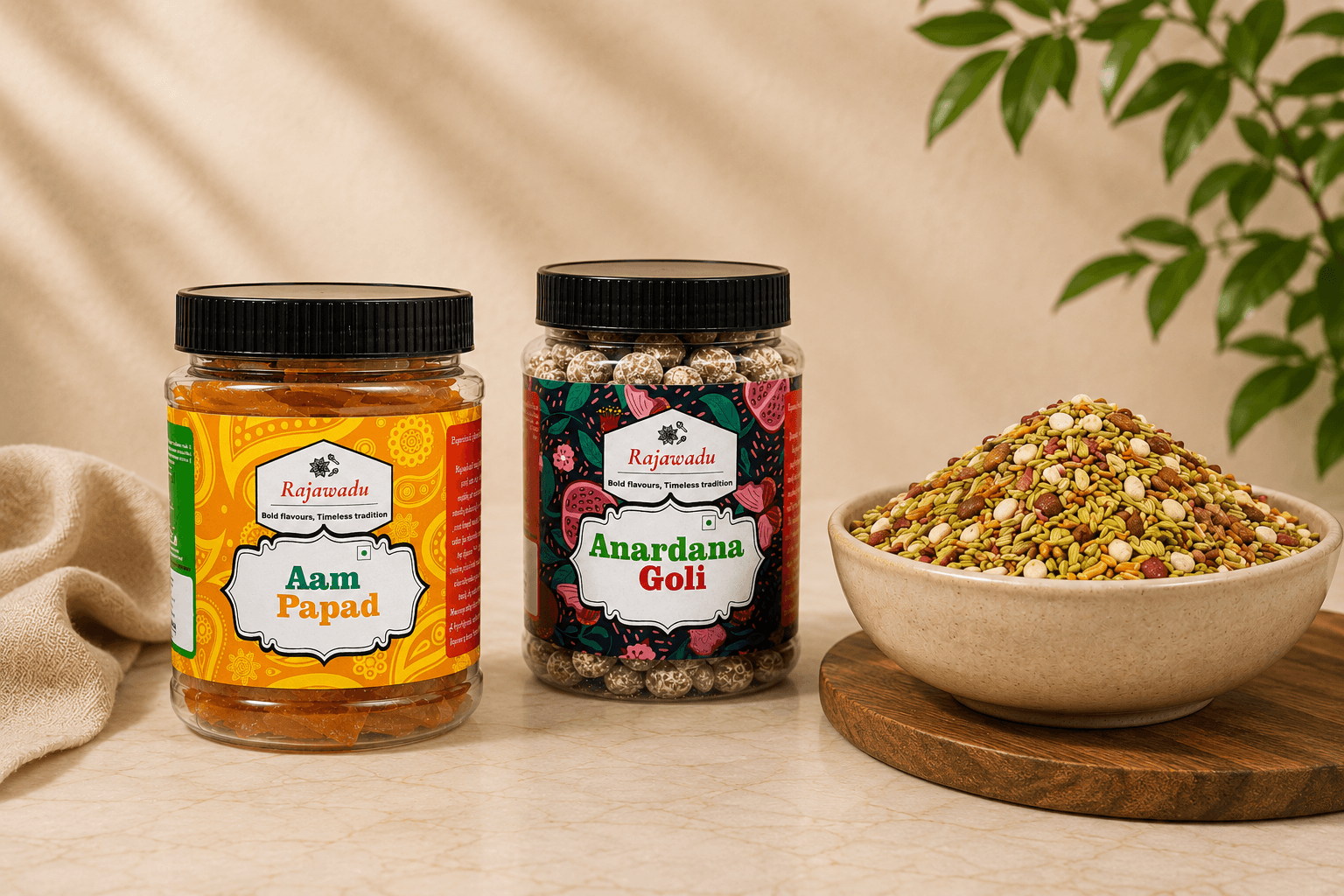
For generations, Indian households have ended meals with more than just dessert. Whether it was a handful of mukhwas, a piece of amla, tangy anardana goli, or sweet aam papad, these weren't simply treats — they became part of a daily ritual that combined flavour, hospitality, and digestive comfort.
Today, as processed snacks and artificially flavoured candies have become commonplace, many people are rediscovering traditional Indian digestive foods made from familiar ingredients like fennel, coriander, dry mango, pomegranate, and Indian gooseberry.
This article explores why these foods continue to remain popular, what makes each one unique, and how to choose products that focus on quality ingredients rather than excessive artificial additives.
The Tradition of Ending Meals
Across different regions of India, finishing a meal often includes something small that refreshes the palate. Depending on the household, this may be:
- Mukhwas
- Amla preparations
- Anardana goli
- Saunf
- Digestive tablets
- Aam papad
- Herbal mouth fresheners
These traditions developed over centuries, with recipes evolving according to regional ingredients and local culinary preferences. Rather than replacing meals or acting as medicines, these foods became enjoyable finishing touches that complemented rich Indian cuisine.
Why Digestive Foods Became So Popular
Indian cuisine is incredibly diverse. Rich gravies, fried snacks, festive sweets, pulses, spices, and dairy all contribute to meals that are full of flavour. Naturally, people developed food traditions that provided a refreshing finish after eating.
Many commonly used ingredients have long histories in traditional Indian cooking:
- Fennel seeds
- Coriander
- Cardamom
- Dry mango
- Pomegranate
- Indian gooseberry (Amla)
These ingredients remain popular today because they offer distinctive flavours that many people associate with the end of a satisfying meal.
Mukhwas: More Than Just a Mouth Freshener
Many people assume mukhwas is simply a colourful mixture served at restaurants. In reality, authentic mukhwas is a carefully balanced blend of seeds, herbs, and spices. A good mukhwas focuses on:
- Aroma
- Texture
- Balanced sweetness
- Freshness
- Ingredient quality
Different regions have developed their own styles, from Gujarati blends to Banarasi-inspired recipes. For those who enjoy a traditional seed-based blend, Rajawadu Gujarati Royal Mixed Mukhwas brings together carefully selected ingredients inspired by classic Gujarati recipes. Its balanced flavour makes it suitable both after meals and as a refreshing snack throughout the day.
Amla: One of India's Most Versatile Traditional Foods
Amla, also known as Indian gooseberry, has been part of Indian food culture for centuries. Its naturally tangy taste makes it suitable for many preparations, including:
- Candies
- Preserves
- Pickles
- Murabba
- Dried amla
Unlike heavily processed sweets, dried amla offers a distinctive sweet-and-tangy flavour profile that many people enjoy throughout the day. For those who appreciate this traditional ingredient, Rajawadu Premium Masala Amla combines the characteristic flavour of dried amla with a carefully balanced masala seasoning, creating a snack that's both nostalgic and convenient.
Why Anardana Remains a Favourite
Anardana is made using dried pomegranate and has long been valued in Indian kitchens for its pleasantly tangy taste. Today, anardana is commonly enjoyed in two ways:
- As a culinary ingredient
- As tangy digestive golis
Its unique sweet-sour flavour makes it particularly popular after meals or whenever someone wants a burst of refreshing taste. If you enjoy traditional digestive confections, Rajawadu Digestive Anardana Goli offers the familiar tangy flavour that generations of Indians have enjoyed.
Aam Papad: A Childhood Favourite That Never Went Away
Few foods evoke nostalgia quite like aam papad. Made from mango pulp and carefully prepared into chewy sheets, aam papad has remained popular across generations because of its rich mango flavour and satisfying texture.
Many adults remember buying small pieces from neighbourhood stores, while today's consumers often look for hygienically packed versions that preserve the same familiar taste. Rajawadu Aam Papad continues this tradition with a flavour that celebrates one of India's most loved fruits.
Choosing Quality Over Artificial Appearance
Walk through any market and you'll notice brightly coloured digestive products that immediately attract attention. However, appearance alone doesn't indicate quality. When choosing digestive foods or mukhwas, consider:
- A clearly listed ingredient list
- Hygienic packaging
- Fresh aroma
- Appropriate texture
- Reputable manufacturing practices
- Proper food safety compliance
Products that clearly communicate what they contain allow consumers to make informed choices.
How to Build a Traditional After-Meal Platter at Home
Instead of serving only one digestive item, many families prepare a small assortment. A balanced platter might include:
- A spoonful of mukhwas
- A few pieces of masala amla
- One or two anardana golis
- A small strip of aam papad
Offering different flavours and textures allows guests to choose what they enjoy while keeping alive a tradition that has been part of Indian hospitality for generations.
Frequently Asked Questions
Is mukhwas only eaten after meals?
Although it is traditionally served after meals, many people also enjoy it as a light snack during the day.
What's the difference between mukhwas and digestive goli?
Mukhwas is generally a blend of seeds, herbs, and spices, while digestive golis are small bite-sized preparations made using ingredients such as pomegranate, mango, herbs, or spices.
Can different digestive foods be enjoyed together?
Yes. Many households keep a variety of traditional digestive foods so family members and guests can choose according to their taste preferences.
How should digestive snacks be stored?
Store them in a cool, dry place in airtight containers or resealable packaging, away from excess moisture and direct sunlight, to help maintain freshness.
Celebrating Traditional Flavours
Traditional Indian digestive foods have remained popular not because they follow modern food trends, but because they continue to deliver familiar flavours that people genuinely enjoy.
Whether it's the aromatic crunch of mukhwas, the tangy character of anardana, the nostalgic taste of aam papad, or the distinctive flavour of masala amla, these foods represent culinary traditions that have been passed down through generations.
At Rajawadu, our goal is to preserve these timeless favourites through thoughtfully prepared products inspired by India's rich food heritage, making it easy to enjoy traditional flavours in today's busy lifestyles.